

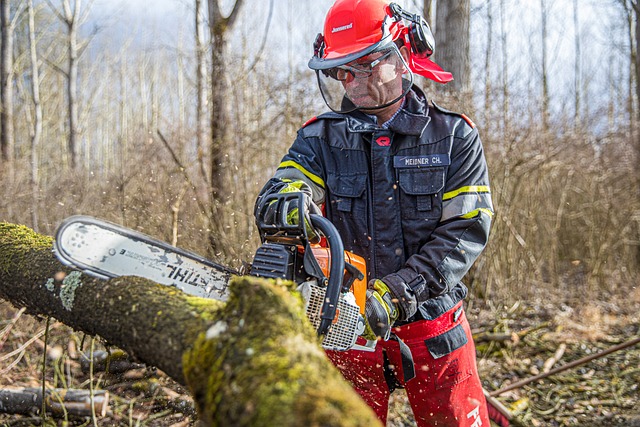
Training Firefighters for the Challenges of Wildfires in a Changing Climate
Wildfires are becoming increasingly frequent and severe due to climate change, posing significant challenges for firefighters worldwide. Rising temperatures, prolonged droughts, and unpredictable fire behavior demand new approaches to firefighter training. To ensure the safety and effectiveness of wildfire response teams, modern training must integrate advanced techniques, international collaboration, and climate-adaptive strategies. This article explores how firefighter training is evolving to meet these new realities.
Understanding the Impact of Climate Change on Wildfires
Climate change has fundamentally altered wildfire patterns. In Europe and beyond, wildfires are spreading faster, burning hotter, and occurring in regions previously considered low risk. The fire season is expanding, requiring firefighters to be prepared year-round. These changes mean that traditional training methods are no longer sufficient—firefighters must now be equipped to handle more extreme and unpredictable conditions.
With longer and more intense fire seasons, training programs must simulate real-world conditions more accurately. Firefighters must learn how to anticipate rapid shifts in fire behavior, navigate challenging terrain, and make critical decisions under extreme pressure.
Advanced Training Techniques for Modern Wildfires
1. Live Fire Simulations
Realistic, controlled fire simulations allow firefighters to experience the heat, smoke, and unpredictable movement of wildfires in a safe environment. These simulations replicate different fire behaviors, teaching teams how to react quickly and effectively.
2. Virtual Reality (VR) and Augmented Reality (AR)
New technologies like VR and AR are transforming firefighter training. Virtual scenarios allow trainees to practice fire suppression techniques, assess fire behavior, and improve decision-making without the dangers of real fires. These tools are particularly useful for urban-interface firefighting, where wildfires threaten populated areas.
3. Tactical Wildfire Management
Modern training emphasizes tactical decision-making under pressure. Firefighters must learn to analyze wind patterns, fuel loads, and topography to predict fire spread. Advanced wildfire modeling software is integrated into training to provide real-time scenario analysis.
4. Physical and Mental Preparedness
Wildfire suppression is physically demanding, requiring strength, endurance, and resilience. Training programs now incorporate intensive physical conditioning to prepare firefighters for prolonged operations in extreme heat. Additionally, mental health training is becoming a priority, as firefighters often face extreme stress and trauma in wildfire situations.
International Firefighter Exchange Programs
Wildfires do not respect borders, and international collaboration is essential. Firefighter exchange programs allow teams from different countries to train together, share expertise, and adapt best practices.
1. Learning from High-Risk Regions
Countries with extensive wildfire experience, such as Portugal, Spain, and Australia, offer valuable training opportunities. European firefighters can participate in exchange programs to gain hands-on experience in extreme wildfire conditions.
2. Standardized Training Across Borders
The European Forest Fire Association e.V. is working to develop standardized training programs that can be used across multiple countries. This ensures that international teams can work together seamlessly during large-scale wildfire emergencies.
3. Joint Training Exercises
Multi-national training exercises bring together firefighters from different regions to simulate cross-border wildfire responses. These exercises improve coordination and communication, ensuring effective collaboration in real emergencies.
Climate-Adaptive Strategies for Wildfire Response
Adapting to climate change means rethinking wildfire suppression strategies. Firefighters must now focus on mitigation and prevention as much as direct fire suppression.
1. Prescribed Burns and Fuel Management
Training now includes techniques for controlled burns and vegetation management to reduce fuel loads before wildfires ignite. These strategies are crucial for preventing megafires.
2. Structural Protection Training
As wildfires increasingly threaten communities, firefighters must be trained in structural protection techniques. This includes creating defensible spaces, using fire-resistant materials, and implementing emergency evacuation plans.
3. Integration of New Firefighting Equipment
The development of new firefighting tools, such as drones, fire-resistant gel applications, and advanced fire retardants, requires specialized training. Firefighters must learn how to integrate these technologies into their operations effectively.
Preparing for the Future
The evolving nature of wildfires demands a proactive approach to firefighter training. By incorporating advanced simulation techniques, international collaboration, and climate-adaptive strategies, modern training programs can better prepare firefighters for the challenges ahead.
The European Forest Fire Association e.V. plays a crucial role in developing these training standards, ensuring that European firefighters are equipped with the skills and knowledge needed to combat wildfires in a changing climate. By investing in training today, we can build a more resilient and effective wildfire response system for the future.
No responses yet